What is Line Breeding?

April 3, 2025

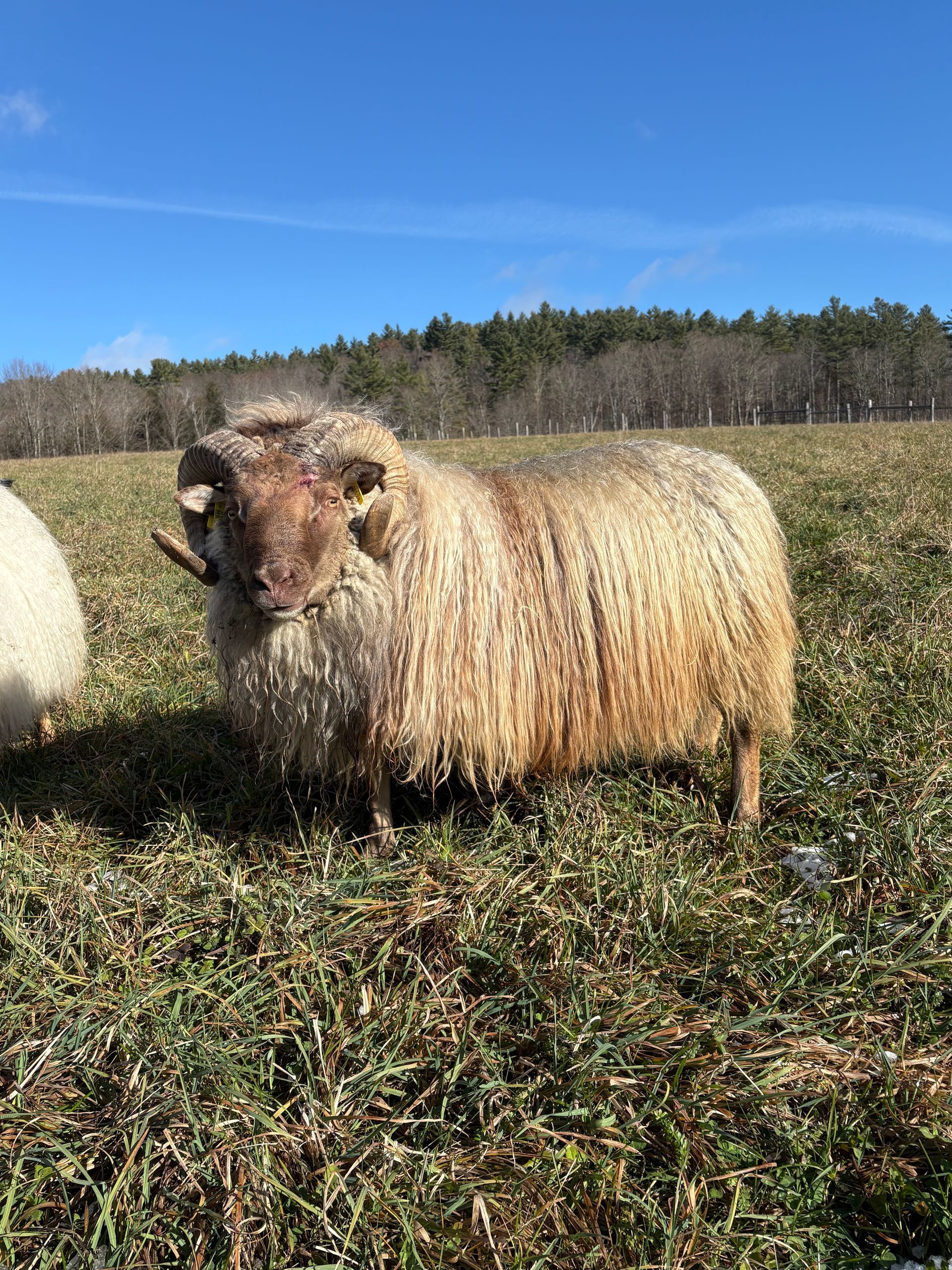
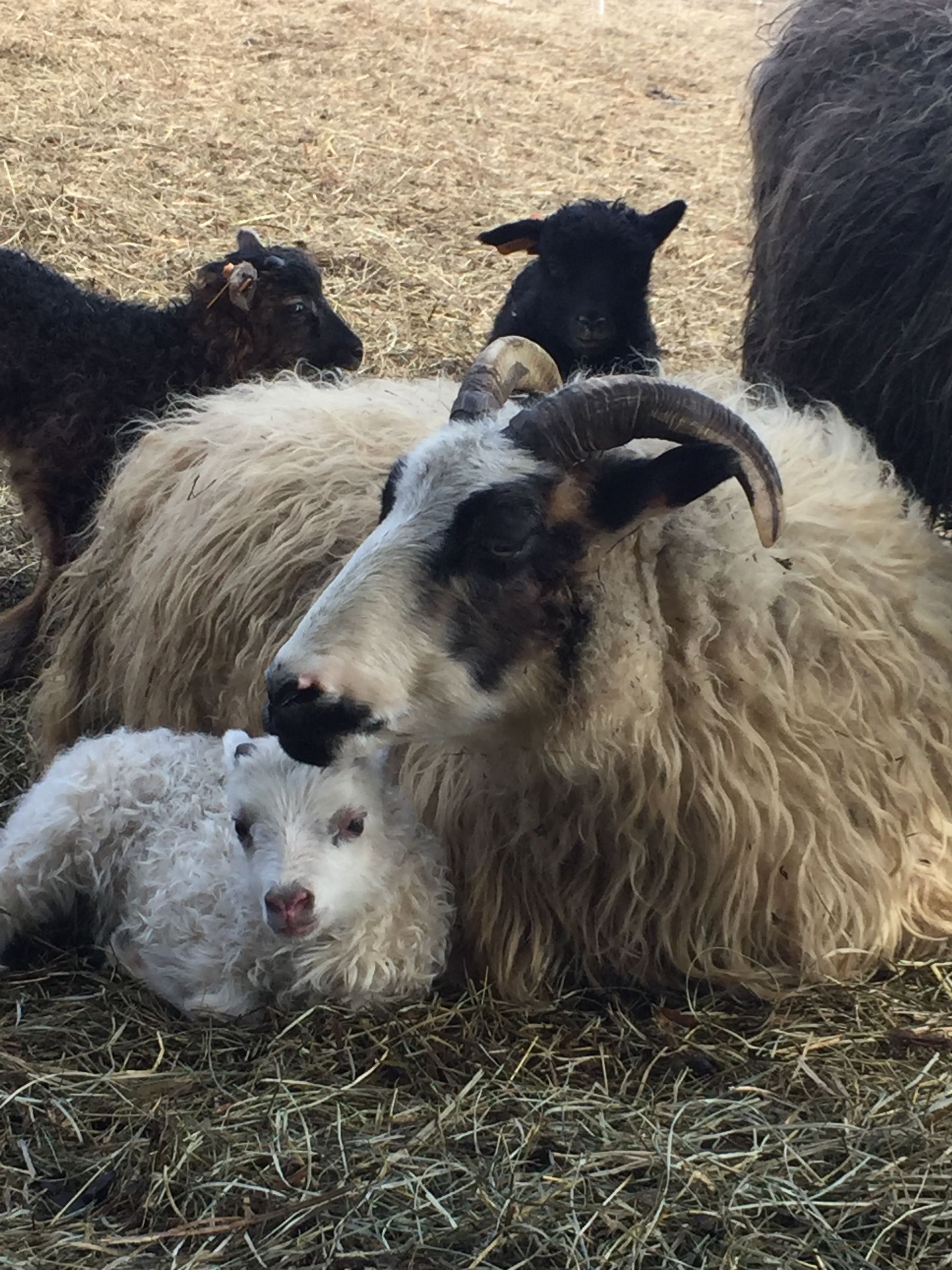
Line Breeding is a breeding technique used to protect certain family traits within a family line. Line breeding is a system of breeding in which the degree of relationship is less intense than in inbreeding and is usually directed towards keeping the offspring related to some highly prized ancestor. The degree of relationship is not closer than half-brother half-sister matings or cousin matings, etc. Line breeding is a mild form of inbreeding. Here at Kind Horn Farm, we do not line breed all that much as one of our goals is genetic diversity, but we do use this strategy at times. The following article explains line breeding very well.  I am providing some other links below to other excellent articles on line breeding.


Line Breeding vs. Inbreeding Excellent short article by Boyer Land and Livestock


By Kathy Taft Boyden January 23, 2026
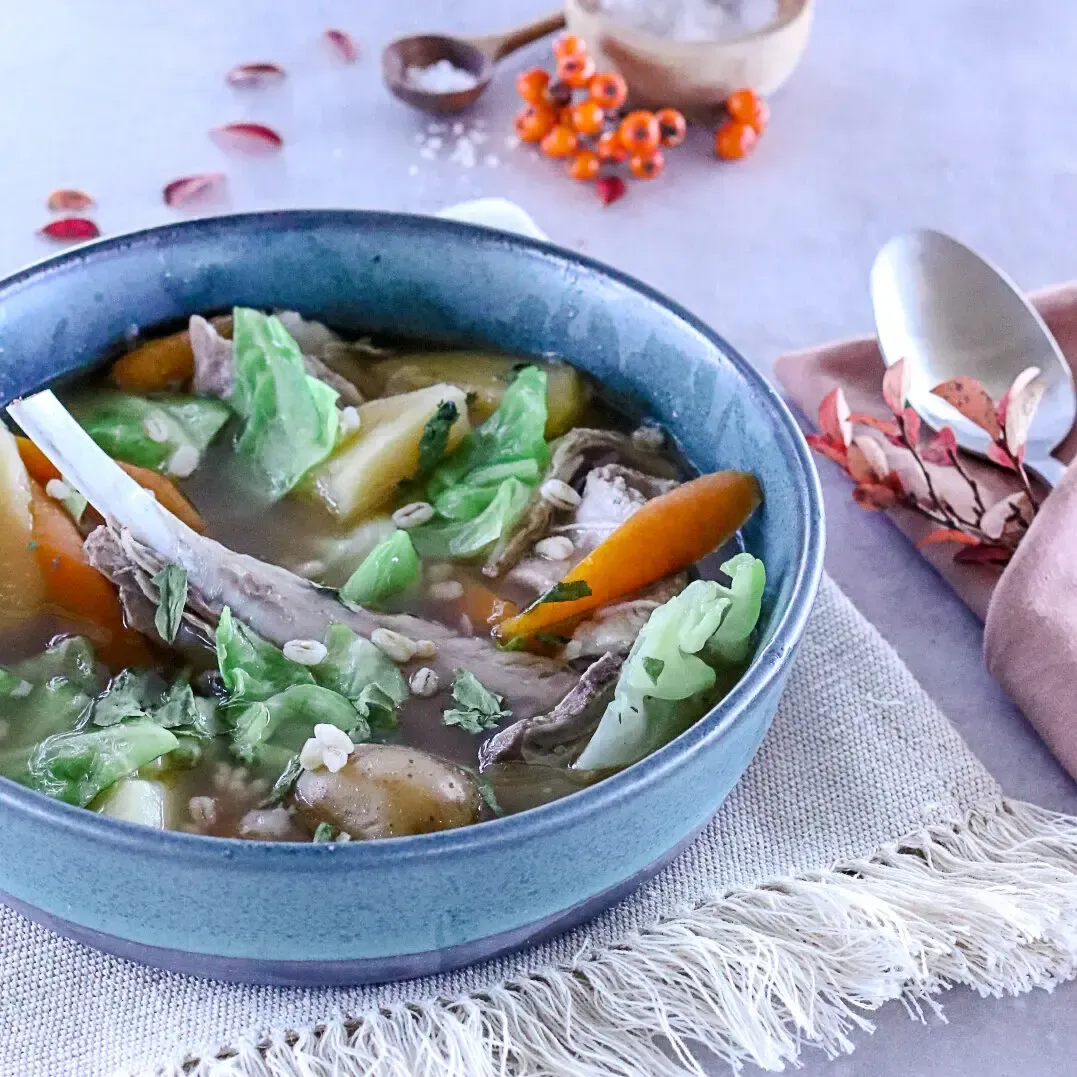
Well, winter certainly has us in its grip. The "holidays" have come and gone. It is easy to fall into the doldrums in January. I think January is the hardest month for me on the farm. Work wise, it is not the busiest. Sheep are all at the barn --no daily fence moves. Breeding season has ended, which means less barn work as breeding groups have been broken down and we are back to two main barn groups. There is no fence maintenance and no garden work. You might think I am on holiday! Haha. There may be less outdoor physical work, yes, but there is still plenty to be done. Lots of desk work: grant applications, planning for changes in infrastructure, mobile shade shelter planning, figuring out how to complete silvo-pasture projects, sheep registrations, etc, etc. A welcome distraction comes in the form of our farmer type annual meetings and grazing conferences— most of which happen over winter, as most farmers are on a bit of "down-time" or at least a bit more flexible schedule. Gathering with fellow farmers can really give you a lift out of the January doldrums; I really enjoy these opportunities to further community building while learning ways to improve what we do here on the farm. Ok, so January is for "hygge": finding joy in simple, cozy moments, emphasizing warmth, comfort, contentment, and togetherness, often through creating a pleasant atmosphere with good company (or quiet solitude), comfort food/drinks, and relaxation, fostering well-being and happiness. It's about being present, slowing down, and appreciating life's quieter pleasures, translating to coziness, charm, and conviviality. Sitting by the wood stove with a warm bowl of soup after morning barn chores is one of my favorite ways to find joy in January. I hope you all are well and finding your own hygge this winter. I leave you with a wonderful recipe for an Icelandic lamb soup. I copied it directly from the Icelandic Lamb website, which has a multitude of fabulous recipes. Be well and eat lots of good, local food. Icelandic lamb soup „Kjötsúpa“ Ingredients 850 gr / 30 oz of bone in pieces of lamb, preferably from the forequarter. 1,8 l. / 61 fl. oz. water 50 gr. / 2 oz. Pearl barley 8 pcs. Medium size potatoes 1 pcs. Rutabaga 6 pcs. Medium size carrots 4 oz. White cabbage 2-3 leaves dried Lovage Icelandic Sea salt flakes White pepper Place the lamb and water in a pot and bring to a boil on medium heat. Start prepping the vegetables by peeling and cutting the potatoes, Rutabaga, Carrots- and cabbage. Rustic cut works just fine in this case. When boiling point is reached start skimming for fat and any froth that rises to the surface, a slow simmer is preferable throughout the cooking time. Continue skimming 2-3 times for the first 20 minutes. Add the potatoes, barley and carrots and cook for another 10 minutes. Add the cabbage, rutabaga and lovage and continue simmering for 30 minutes. Season with salt and pepper and serve in large bowls.
April 15, 2025
Tough Love for Rams This is an excellent article written by Brooke and Lois Moore. 
April 15, 2025
Judging info The sires are evaluated and judged according to FAI judging standards. Points are given for individual body parts in following order: Points: Head - neck and shoulders - chest and conformation - back - loin - gigot - wool - feets - harmony. Score of 80,0 points is good for breeding ram and 85,0 points can be considered as excellent. Ultrasound: Ultrasound measure of eye muscle thickness in mm and of back fat in mm - eye muscle shape score (1-5). (H) Dutch ultrasound scanner, the type used by SOUTHAGRI. (S) Scottish ultrasound scanner - which measures about 2mm lesser eye muscle thickness than the Dutch scanner. This difference is not corrected in individual figures. Eye muscle shape: In autumn 1999 eye muscle shape grading started. The grading of the eye muscle describes how well the muscle keeps it´s thickness out over the backbone. The shape is graded from 1 to 5. The scale is following: 1. Poorly shaped eye muscle. 2. Fairly shaped eye muscle. 3. Adequately shaped eyemuscle.. 4. Well shaped eye muscle. 5. Excellently shaped eye muscle. Basic dictionary Basic dictionary for the printed version of Southram's sire catalogue which is in Icelandic. Here you can find translation and/or explanation of the tables and graphs in the sire list. Lambhrútaskoðun: Evaluation of ram progenies performed in September/October. Following items refers to the evaluation of the rams progenies: Fjöldi: Number of evaluated ram lambs Þungi: Average weight of evaluated ram lambs Fótleggur: Average canon bone length of evaluated ram lambs Læri: Average score for gigot muscling (highest possible score is 20, 16 is good, 17 is very good, 18 is excellent) Ull: Average score for wool (8,0 refers to good wool quality and no tan fibers) Ómvöðvi: Average thickness (depth) of the eye muscle in mm Ómfita: Average fat thickness on the eye muscle in mm Lögun: Average score for eye muscle shape (1 is poorly shaped muscle and 5 is excellently shaped muscle) Following explanations refer to the graph for each ram. Kynbótamat: Breeding value index (based on information from the sheep recording in Iceland. 100 is average) Gerð: Meat qualities based on the carcass grading Fita: Leanness based on carcass grading Kjötgæði: Meat quality index (MQI), calculated from meat qualities (40%) and leanness (60%) Frjósemi: Prolificacy of the daughters (for the young rams with few daughter records this index is mostly based on pedigree) Mjólkurlagni: Milking abilities of the daughters (for the young rams with few daughter records this index is mostly based on pedigree) Explanation of measurements & scoring Generally data gathered on the rams is done in Iceland, in the fall, when they are around 18 months. The data on the Icelandic Rams is then given in the following major categories: 1) Rams Name, Number, and Parents 2) Body Measurements- Weight and Lengths 3) Score 4) Ram Description 5) Production Results Explanation 1) Rams Name, Number, and Parents The rams are numbered as follows: The first two numbers in the ID number refer to the birth year of that ram. Thettir, # 91-931 was born in 1991. 2) Body Measurements- Weight and Length Measure: Weight and measure is in the same sequence for every ram. There are four numbers given here representing- Weight of the ram- A heavier the ram usually correlates to bigger, growthier offspring. Chest Circumference- A measurement of body depth. Width of Rack- The wider the rack, the greater the yield from this choice cut. Cannon Bone (front leg) Length- A shorter cannon bone correlates with a meatier, faster finishing market lamb.
April 15, 2025
How to Recognize, Treat and Prevent It Sue Reith
April 15, 2025
“Whole Sheep, Whole Farm” (Wholesome Demand) 
April 15, 2025
Grazing Grazing is the use of grasses and other plants to feed herbivores, such as sheep and goats. Most sheep and goats graze at least a portion of the year. On this page, grazing links are arranged by subject category: controlled grazing , extending the grazing season , grazing behavior , grazing management , grazing systems , management-intensive grazing , multispecies grazing , prescribed grazing , riparian grazing , rotational grazing , silvopasture , and stocking rates . KIND HORN FARM RECOMMENDS For optimal parasite management, we recommend that you keep your Icelandics in the same paddock for no more than 5 days at a time, with 1-3 days being optimal for the forage. Rest the pasture for 90 days ideally before bringing the sheep back for another grazing. Try your best to work within these guidelines! [PDF] Grazing Alfalfa - University of Kentucky Controlled Grazing Controlled Grazing of Virginia's Pastures Creep Grazing Extending the Grazing Season [PDF] Extending grazing and reducing stored feed needs - MW Forage [PDF] Grazing corn: an option for extending... - University of Kentucky [PDF] Supplemental pastures for sheep - University of Nebraska Grazing Behavior [PDF] Diet selection and grazing behavior - University of Maine Grazing Management Grazing Systems Grazing systems - McGill University Management-Intensive Grazing (MIG) Multispecies Grazing Prescribed Grazing Riparian Grazing Rotational Grazing Silvopasture Stocking Rates The Maryland Small Ruminant Page [sheepandgoat.com] was created in 1998 as an information portal for sheep and goat producers and anyone else interested in small ruminant production. The web site includes original documents and images as well as a comprehensive list of links pertaining to small ruminants and related topics. The web site was developed and is maintained by Susan Schoenian, Extension Sheep & Goat Specialist at the University of Maryland's Western Maryland Research & Education Center. Susan has been with University of Maryland Extension since 1988. She holds B.S. and M.S. degrees in Animal Science from Virginia Tech and Montana State University, respectively, and also attended The Ohio State University. Susan conducts the Western Maryland Pasture-Based Meat Goat Performance Test at her research facility in Keedysville. She raises registered and commercial Katahdin sheep on her small farm called The Baalands in Clear Spring, Maryland. Please direct all questions, comments, or suggestions to Susan at sschoen@umd.edu Disclaimer : The information and links contained on the Maryland Small Ruminant Page [sheepandgoat.com] and other pages created by Susan Schoenian are for informational purposes only and do not constitute an endorsement of any person, organization, business, product, or web site. The author disclaims any liability in connection with the use of this information. Users of this web site and all external links are advised to apply common sense and sound judgement to all information obtained from the internet, regardless of source. Last updated 01-Dec-2010 by Susan Schoenian.